
Could eating a diet made almost entirely from animal-based foods make meals simpler and help you better understand how certain foods affect your body?
After following keto for more than a decade, I became curious about the carnivore diet and decided to explore it for myself. What began as a short-term experiment eventually became almost a year and a half of eating carnivore.
Today, I follow a more flexible ketovore approach. I still build most of my meals around meat, eggs, seafood, and animal fats, but I occasionally include low-carb plant foods that work well for me.
My carnivore experience helped me simplify my meals, pay closer attention to hunger, and learn more about how my body responds to different foods. However, I do not believe that one way of eating is right for everyone.
This carnivore diet guide for beginners explains what the diet includes, the basic carnivore diet rules, foods you can eat, foods you avoid, possible benefits and concerns, and a simple seven-day carnivore diet meal plan.
Be sure to visit our growing collection of carnivore recipes for easy meals, casseroles, breads, desserts, and family-friendly dinner ideas.
What Is The Carnivore Diet?
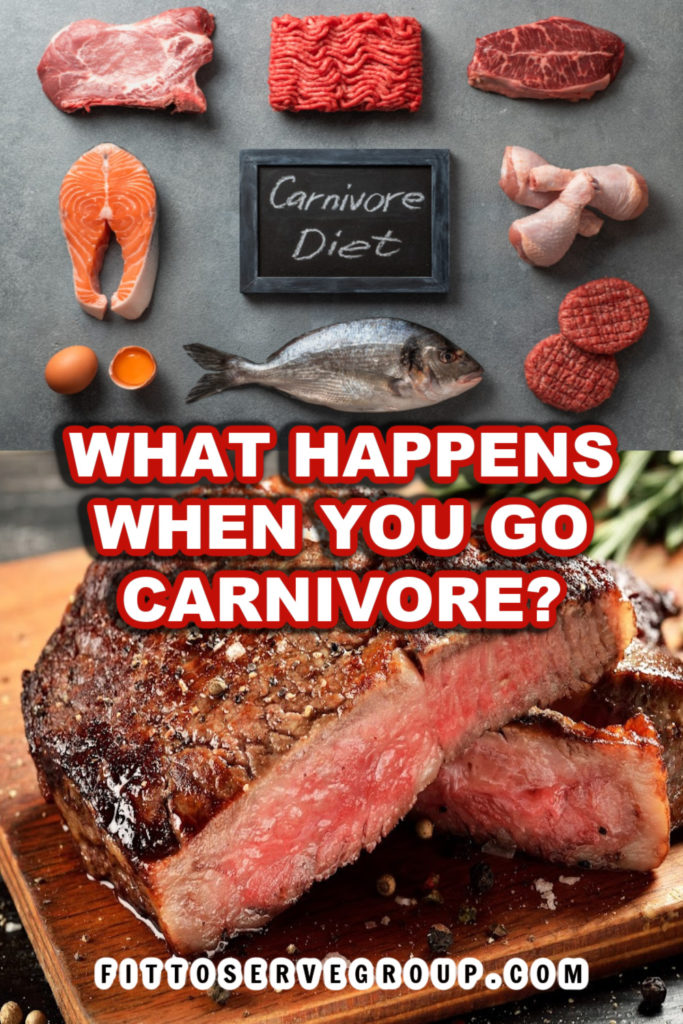
The carnivore diet is an eating approach centered almost entirely on foods that come from animals.
A strict carnivore diet typically includes meat, poultry, seafood, eggs, animal fats, water, and salt. Some people also include dairy products, bone broth, organ meats, coffee, or seasonings, depending on how strictly they follow the diet.
Because plant foods and most sources of carbohydrates are removed, the carnivore diet is often described as a zero-carb or near-zero-carb diet. However, eggs, seafood, dairy products, and processed meats can still contain small amounts of carbohydrates.
Unlike keto, which allows low-carb vegetables, nuts, seeds, and plant-based fats, strict carnivore eliminates plant foods completely.
Carnivore Diet Rules for Beginners
There is no single organization that establishes official carnivore diet rules. Different people follow different versions based on their goals, food tolerances, and personal preferences.
The basic carnivore diet rules generally include:
- Build meals around meat, poultry, seafood, or eggs.
- Cook with animal fats such as butter, ghee, tallow, lard, or bacon grease.
- Avoid sugar, grains, legumes, fruits, vegetables, nuts, and seeds.
- Avoid vegetable oils and products made with plant-based fillers.
- Check bacon, sausage, deli meat, jerky, and broth for added sugar or starch.
- Drink water and adjust salt intake according to your individual needs.
- Keep meals simple when beginning so you can better evaluate how different foods affect you.
- Decide whether dairy products, coffee, spices, and seasonings fit your approach.
You do not need to follow the strictest version to benefit from eating fewer refined carbohydrates and highly processed foods. The best approach is one that you can follow safely and that supports your individual needs.
Carnivore Diet Food List
A carnivore diet food list can be as simple or varied as you make it.
Beef
Beef is one of the most common carnivore staples because it is packed with nutrition, providing complete, high-quality protein with all nine essential amino acids.
It is also a good source of heme iron, zinc, and vitamin B12, which help support healthy muscles, energy levels, and red blood cell production.
Options include:
- Ground beef
- Ribeye steak
- New York strip steak
- Sirloin
- Chuck roast
- Eye of round roast
- Short ribs
- Beef ribs
- Brisket
- Oxtail
- Beef shanks
- Burger patties
Fatty cuts may be more satisfying for some people, while leaner cuts can be served with butter, tallow, eggs, or another source of fat.
Pork
Pork adds plenty of variety to a carnivore diet and is often more affordable than many cuts of beef.
From pork chops and tenderloin to ribs, pork shoulder, bacon, and ground pork, there are many options for quick meals, slow-cooked dishes, and meal prep.
Just be sure to read labels on bacon, ham, and sausage, since some brands contain added sugar, starches, or other non-carnivore ingredients
Options include:
- Pork chops
- Pork shoulder
- Pork tenderloin
- Pork belly
- Ham
- Bacon
- Pork ribs
- Ground pork
- Sugar-free sausage
Read ingredient labels carefully. Some bacon, ham, and sausage products contain added sugar, starch, corn syrup, or plant-based fillers.
Poultry
Chicken and turkey are versatile, budget-friendly options that make it easy to add variety to a carnivore diet.
They work well in quick skillet meals, casseroles, soups, patties, and make-ahead recipes for meal prep.
Since some cuts of poultry are leaner, you can pair them with eggs, butter, cheese, or a creamy carnivore-friendly sauce to create a more satisfying meal.
Options include:
- Chicken thighs
- Chicken wings
- Chicken breasts
- Chicken tenderloins
- Whole chicken
- Ground chicken
- Ground turkey
- Turkey breast
- Duck
Because chicken breast and turkey can be very lean, serving them with butter, cheese, cream sauce, or another tolerated fat can make the meal more satisfying.
Fish and Seafood
Seafood provides another valuable source of protein and helps prevent meals from becoming repetitive.
Options include:
- Salmon
- Sardines
- Mackerel
- Cod
- Tuna
- Trout
- Shrimp
- Crab
- Lobster
- Scallops
- Oysters
- Mussels
When buying canned seafood, look for products packed in water, olive oil for a ketovore approach, or their own natural juices. Strict carnivore followers avoid products packed in plant-based oils.
Eggs
Eggs are one of the most versatile and affordable foods to include on a carnivore diet.
They are easy to prepare, rich in high-quality protein, and can be enjoyed scrambled, fried, boiled, poached, or baked into casseroles and other simple meals.
They are also a convenient option for breakfast, meal prep, or adding extra protein to a dish.
You can enjoy them:
- Scrambled in butter
- Fried in tallow
- Soft-boiled
- Hard-boiled
- Poached
- Baked into an egg casserole
- Made into an omelet
- Added to burger patties or meatloaf
Some people are sensitive to eggs, so they are not required for following a carnivore diet.
Animal Fats
Common carnivore cooking fats include:
- Butter
- Ghee
- Beef tallow
- Lard
- Bacon grease
- Duck fat
- Bone marrow
How much added fat you need will depend on the cuts of meat you choose, your appetite, digestion, activity level, and individual macro goals.
Dairy Products
Dairy is optional on the carnivore diet, but if well tolerated it can make carnivore meals more enjoyable.
People who tolerate dairy may include:
- Hard cheese
- Cream cheese
- Cottage cheese
- Sour cream
- Heavy whipping cream
- Butter
- Ghee
- Plain full-fat yogurt
Some people find that cheese or cream affects their digestion, appetite, skin, or weight-loss progress.
A short dairy-free period may help you determine whether dairy works well for you.
Organ Meats and Bone Broth
Some carnivore followers include liver, heart, kidney, bone marrow, and other organ meats.
These foods are optional. You do not have to force yourself to eat organ meats to follow a carnivore diet.
Bone broth can also be included as a warm drink, soup base, or cooking liquid. Choose a broth without sugar, starch, vegetables, yeast extract, or unnecessary additives when following a strict approach.
Foods to Avoid on the Carnivore Diet
A strict carnivore diet excludes foods that come from plants.
Foods generally avoided include:
- Sugar and sweetened foods
- Bread, pasta, cereal, and grains
- Rice, corn, and potatoes
- Beans and legumes
- Fruit
- Vegetables
- Nuts and seeds
- Seed and vegetable oils
- Plant-based milk
- Alcohol
- Sweetened drinks
- Sauces containing sugar or starch
- Highly processed foods with plant-based fillers
A relaxed carnivore or ketovore approach may include seasonings, coffee, tea, herbs, low-carb vegetables, avocado, or small amounts of other keto foods.
These foods may fit a ketovore lifestyle, but they are not part of a strict carnivore diet.
Different Types of Carnivore Diet
The carnivore diet isn't a one-size-fits-all approach. While the foundation is an all-animal-based diet, there are different ways to customize it based on your goals, lifestyle, and tolerance for certain foods.
Let's break down the main variations and provide examples for each:
1. Strict Carnivore
Strict carnivore focuses entirely on animal-based foods, with no exceptions. This approach avoids even the smallest amounts of plant-based products or seasonings. The idea is to eliminate all potential irritants and allergens to achieve optimal health.
- What to Eat:
- Ribeye steak cooked in tallow or butter.
- Ground beef & chicken patties
- Grilled chicken thighs with salt.
- Slow-cooked chuck roast
- Salmon, tuna, sardines packed in their own juices
- Bone broth made from beef or chicken bones.
- Organ meats like beef liver or heart.
- Who It's For:
Ideal for those with digestive issues, or food sensitivities seeking a complete elimination diet.
2. Relaxed Carnivore
Relaxed carnivore allows for small amounts of non-carnivore foods, like spices, and coffee.
This approach is more flexible and easier to sustain long-term.
Although it remains centered on animal foods, it may include:
- Black pepper
- Garlic powder
- Onion powder
- Herbs and spices
- Coffee
- Tea
- Dairy products
- Small amounts of condiments without added sugar
Who It's For:
Great for those who want to experience the benefits of carnivore while keeping a few indulgences or conveniences. This approach is easier for many people to maintain and allows more flexibility when cooking for a family.
3. Ketovore Diet
Ketovore bridges the gap between the ketogenic diet and the carnivore diet. It combines a meat-focused carnivore approach with selected keto-friendly foods.
Someone following ketovore may include:
- Avocado oil
- Olive oil
- Coconut oil
- Low-carb vegetables, like avocado, cauliflower and other above ground vegetables.
- Herbs and seasonings
- Sugar-free condiments
- Small amounts of nuts or seeds
- Small amounts of berries
- Occasional keto desserts
Ketovore is not strict carnivore. It is a flexible, very low-carb approach that keeps animal foods at the center of the plate.
After almost a year and a half of carnivore, this is the approach I currently follow.
4. Lion Diet
The lion diet is one of the most restrictive versions of carnivore. It typically includes ruminant meat, salt, and water.
This approach is sometimes used as a temporary elimination diet, but its restrictive nature makes professional guidance especially important.
5. Nose-to-Tail Carnivore
This approach emphasizes consuming the entire animal, not just muscle meat. It includes organ meats, bone marrow, connective tissues, and broths to maximize nutrient intake and minimize waste.
A nose-to-tail approach includes a wider variety of animal foods, such as:
- Liver
- Heart
- Kidney
- Bone marrow
- Oxtail
- Beef shanks
- Collagen-rich cuts
- Homemade bone broth
Some people prefer this approach for greater variety and to use more of the animal.
Carnivore Diet vs. Keto
A strict carnivore diet removes all plant foods, including keto-friendly ones.
Keto also places greater emphasis on maintaining a specific carbohydrate range and balancing fat and protein to support ketosis. Carnivore does not have one universally accepted macronutrient ratio.
Ketovore sits between the two approaches. It prioritizes animal foods while allowing selected keto ingredients.
Although the carnivore and keto diets are both very low in carbohydrates, they are not the same way of eating.
A ketogenic diet offers more variety because it can include animal-based foods along with low-carb vegetables, healthy fats, nuts, seeds, and keto-friendly sweeteners.
The main goal is usually to keep carbohydrates low enough to support ketosis while choosing an appropriate balance of protein and fat.
A strict carnivore diet is much more restrictive because it removes all plant-based foods, even those commonly enjoyed on keto. Instead of focusing on a specific carbohydrate limit or macronutrient ratio, carnivore centers meals almost entirely around foods that come from animals.
Ketovore falls between these two approaches. It keeps meat, eggs, seafood, and other animal foods at the center of the diet while allowing some carefully chosen keto-friendly ingredients.
This can make ketovore a more flexible option for anyone who enjoys the simplicity of carnivore but does not want to eliminate every low-carb plant food.
How to Start the Carnivore Diet
Starting the carnivore diet does not need to feel overwhelming. In fact, keeping things simple at the beginning can make the transition much easier.
Rather than trying to create complicated meals or follow every rule perfectly, focus on building a routine that feels manageable and allows you to pay attention to how your body responds.
Choose the Approach That Works for You
Before getting started, decide whether you want to follow a strict carnivore diet, a more relaxed version, or a ketovore approach.
Having a clear plan from the beginning can help prevent confusion and make grocery shopping, meal planning, and eating away from home much easier.
A strict approach may be helpful for someone using carnivore as a short-term elimination diet, while a relaxed carnivore or ketovore plan may feel more realistic for long-term use.
There is no need to choose the most restrictive option simply because it seems more disciplined. The best approach is one that supports your goals, fits your lifestyle, and can be followed safely.
Begin With Familiar Meals
You do not need to begin with unusual ingredients, expensive cuts of meat, or complicated carnivore recipes. Starting with simple meals you already know how to prepare can make the transition feel much less intimidating.
Once you become comfortable with the basics, you can gradually experiment with new recipes, different cooking methods, and a wider variety of animal-based foods.
This slower approach may also make it easier to notice whether certain ingredients agree with you.
Prepare Meals Ahead of Time
Meal preparation can make a big difference during the first few weeks. Cooking several portions in advance gives you something ready to eat when you are busy, tired, or hungry.
This can help you avoid relying on high-carb convenience foods simply because they are easier to grab.
You do not need to prepare an entire week of meals at once. Even making enough food for a few lunches or dinners can save time and reduce stress.
Keeping leftovers in the refrigerator also makes it easier to put together a quick meal without having to cook from scratch every time.
Listen to Your Hunger and Fullness Cues
There is no single serving size or amount of food that is right for everyone following a carnivore diet. Your needs may change depending on your body size, activity level, health, appetite, medications, and personal goals.
Try to eat slowly and give yourself time to recognize when you feel satisfied. Some people naturally eat fewer meals because protein-rich foods can be very filling, while others may need to eat more often, especially during the adjustment period. Rather than comparing your portions to someone else's, pay attention to your own energy, hunger, and overall well-being.
Make Hydration a Priority
Reducing carbohydrates can affect the way your body holds water, especially during the first few weeks. Because of this, staying properly hydrated is important.
Would you like to save this?
Drink water regularly throughout the day and pay attention to signs that you may need more fluids, such as headaches, dizziness, fatigue, or a dry mouth.
Sodium and electrolyte needs can vary, so it is best to speak with a qualified healthcare professional before taking large amounts of supplements or dramatically increasing your salt intake.
Keep a Simple Food Journal
A food journal can be especially helpful when beginning the carnivore diet. It does not need to be complicated or include exact measurements. Simply make a note of your meals and how you felt afterward.
You may want to track your hunger, energy, digestion, sleep, cravings, mood, and any symptoms or reactions you notice. Over time, this can help you identify patterns and better understand how your body responds to different ingredients.
A journal can also be helpful if you later decide to reintroduce keto-friendly foods. By adding foods back one at a time and recording how you feel, you may be able to identify which foods work well for you and which ones you may prefer to limit.
Possible Benefits Of The Carnivore Diet
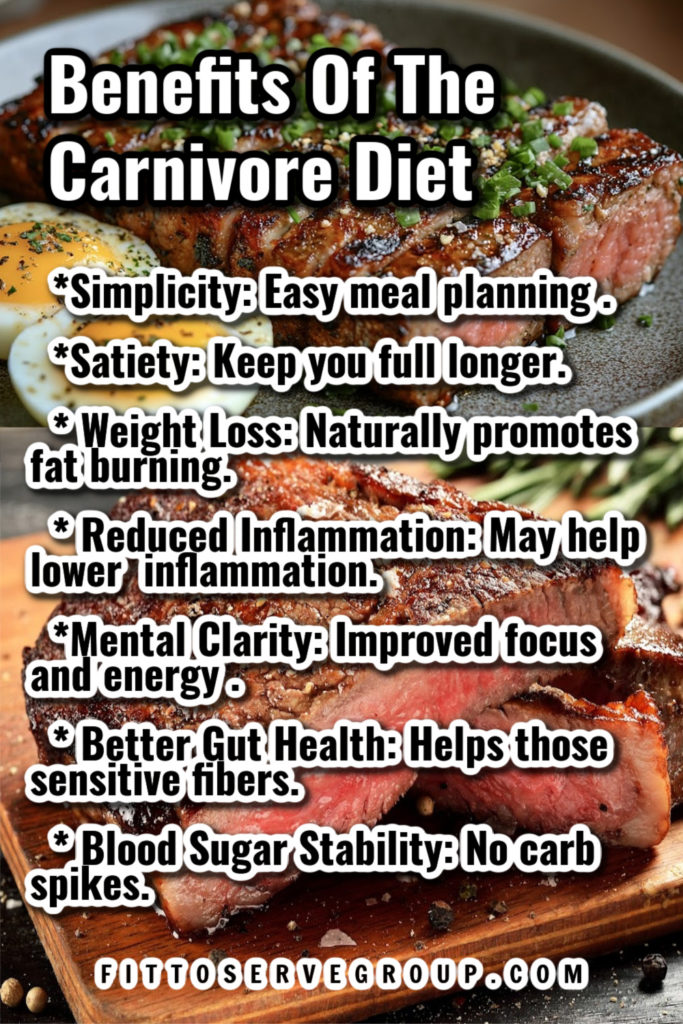
The carnivore diet isn't just about simplifying your meals, it comes with a range of potential benefits backed by scientific research and countless anecdotal reports.
Here's a closer look at why many people are turning to this meat-based lifestyle:
1. Simplicity and Convenience
One of the most appealing aspects of the carnivore diet for me is its simplicity. With no need to count carbs or calories, meal planning becomes straightforward.
You don't need a pantry full of ingredients-just quality meats, eggs, and a few fats. For busy individuals, this approach eliminates decision fatigue and streamlines meal prep.
2. Improved Metabolic Health
Studies suggest that low-carb, high-protein diets can significantly benefit metabolic health:
- A study published in Current Developments in Nutrition (2021) reported that individuals on the carnivore diet experienced improvements in blood sugar levels and insulin sensitivity, especially those managing type 2 diabetes.
- Many participants in the same study also reduced their reliance on diabetes medications while maintaining stable energy levels throughout the day.
3. Weight Loss and Appetite Control
Protein is the most satiating macronutrient, and the carnivore diet is naturally protein-dense. This helps:
- Curb cravings: Eating fatty cuts of meat can reduce the urge for snacks and sugar-laden foods.
- Promote fat loss: High protein intake can help preserve muscle mass while encouraging fat loss.
4. Reduced Inflammation
Chronic inflammation is linked to numerous health issues, including joint pain, autoimmune diseases, and even cardiovascular problems.
By removing potential irritants like gluten, plant-based lectins, and seed oils, the carnivore diet may help reduce inflammation.
5. Improved Gut Health
While fiber is traditionally thought to be essential for digestive health, some individuals experience bloating, gas, or other gastrointestinal issues when consuming plant-based fibers.
The carnivore diet eliminates these potential triggers:
- A study from NIH found that many people reported improved digestion, reduced bloating, and fewer IBS symptoms when eliminating plant-based foods.
6. Enhanced Mental Clarity and Energy
Many carnivore dieters report significant improvements in mental clarity, focus, and overall energy levels:
- This could be due to stabilized blood sugar levels, the absence of plant-based anti-nutrients, or the brain's preference for ketones as a fuel source.
7. Potential Benefits for Certain Conditions
By eliminating plant-based foods that contain potential allergens or irritants, the carnivore diet may help manage symptoms of autoimmune diseases.
While research in this area is limited, early studies and anecdotal evidence suggest promising results for conditions like eczema, lupus, and psoriasis.
Potential Drawbacks and Concerns
It is equally important to understand the possible disadvantages of the carnivore diet.
Limited Long-Term Research
There is not enough high-quality evidence to determine whether strict carnivore is safe or beneficial over many years.
Personal testimonials can be helpful, but they are not a replacement for controlled research.
Possible Nutrient Gaps
Removing every plant food may make it difficult to obtain enough of certain vitamins, minerals, fiber, and beneficial plant compounds.
The nutritional quality of a carnivore diet can also vary considerably depending on whether someone eats seafood, eggs, dairy, organ meats, or only a few cuts of meat.
Changes in Cholesterol
Some people experience significant increases in LDL cholesterol when following a very low-carb diet high in saturated fat.
Anyone following carnivore for an extended period should discuss appropriate health monitoring with a qualified healthcare professional.
Digestive Changes
Some people report constipation, diarrhea, nausea, or changes in bowel habits when beginning carnivore.
Persistent constipation, or ongoing digestive symptoms should be evaluated by a healthcare professional.
Social and Practical Challenges
Eating at restaurants, attending events, and preparing meals for a family can be more difficult when following a very restrictive diet.
A relaxed carnivore or ketovore approach may be more practical for some people.
Eating Out on the Carnivore Diet
Restaurant meals can remain simple when you focus on plainly prepared protein.
Possible orders include:
- Steak without sauce
- Burger patties without a bun
- Grilled chicken
- Pork chops
- Roasted chicken
- Chicken wings without sweetened sauce
- Grilled fish
- Shrimp
- Eggs and bacon
- Barbecue meat without sugary sauce
Ask whether the food is cooked in butter, tallow, or vegetable oil. You can also request that sauces, glazes, breading, and side dishes be left off the plate.
Strict carnivore may be difficult at restaurants because marinades and seasoning blends often contain sugar or plant-based ingredients.
Frequently Asked Questions
Can You Drink Coffee on the Carnivore Diet?
Coffee comes from a plant, so it is not included in strict carnivore.
Some relaxed carnivore and ketovore followers continue drinking coffee, either black or with heavy cream.
Can You Eat Cheese on the Carnivore Diet?
Cheese is an animal-based food and is included by many carnivore followers.
However, dairy is optional. Some people limit cheese because it affects their digestion, appetite, skin, or progress.
Can You Use Seasonings on the Carnivore Diet?
Strict carnivore usually permits only salt.
Relaxed carnivore may include black pepper, garlic powder, onion powder, herbs, and other seasonings. The choice depends on your goals and how you tolerate them.
Is the Carnivore Diet the Same as an Animal-Based Diet?
Not necessarily.
Strict carnivore eliminates plant foods. Some eating plans described as animal-based include fruit, honey, vegetables, avocado, or other plant foods.
Do You Need to Count Calories on the Carnivore Diet?
Some people follow hunger cues without tracking calories. Others may need more structure based on their goals, or appetite signals.
There is no single rule that works for everyone.
How Much Meat Should You Eat?
There is no universal amount.
Your needs depend on body size, age, activity level, health, appetite, and the fat content of the foods you choose.
Do You Need to Eat Organ Meats?
No. Some people include organ meats for variety, while others do not tolerate or enjoy them.
Organ meats are optional rather than a requirement. Some people choose to use a supplement instead.
Can the Carnivore Diet Be Followed Long Term?
There is currently not enough high-quality, long-term research to answer this confidently.
Anyone choosing to follow a strict carnivore diet for an extended period should work with an appropriate healthcare professional and discuss individualized monitoring.
7 Day Carnivore Diet Meal Plan
Day 1
Breakfast: 3 scrambled eggs in butter, 2 sausages
Lunch: Ground beef patties, bone broth (1 cup
Dinner: Pan-seared salmon (6 oz) with ghee, 1 egg
Day 2
Breakfast: Omelet with 3 eggs & cheese, 3 slices bacon
Lunch: Roasted chicken thighs (6 oz), pork rinds
Dinner: Pork chops (6 oz)
Day 3
Breakfast: 2 fried eggs, with leftover steak
Lunch: Sliced roast beef with bone broth
Dinner: Shrimp cooked in butter with burger patties
Day 4
Breakfast: 3 soft-boiled eggs, 2 slices pork belly
Lunch: Ground beef patties (6 oz) with butter
Dinner: Pan-fried cod in butter, bone broth (1 cup)
Day 5
Breakfast: Cheese omelet or plain eggs for dairy-free carnivore
Lunch: Grilled sirloin steak (6 oz), poached egg
Dinner: Braised oxtail (8 oz), bone marrow
Day 6
Breakfast: Omelet with 3 eggs & diced chicken, bacon
Lunch: Pan-seared salmon (6 oz), bone broth (1 cup)
Dinner: Grilled pork chops (8 oz), pork rinds
Day 7
Breakfast: Scrambled eggs with cheese, 3 slices bacon
Lunch: Grilled chicken wings (6 pieces), hard-boiled egg
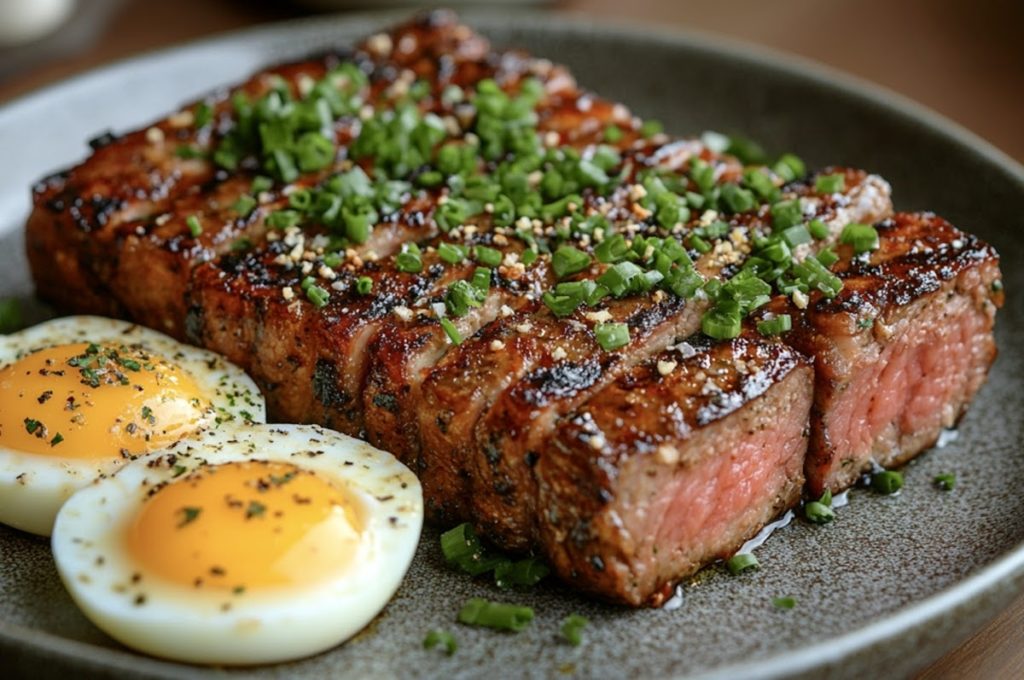
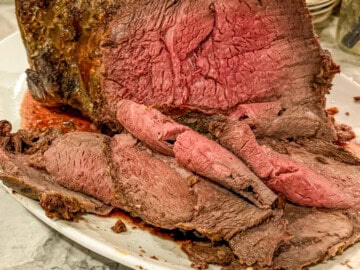
Carnivore roast beef with melted butter or tallow
Reflecting On My Carnivore Journey
When I first tried carnivore, I did not expect to follow it for almost a year and a half.
I originally viewed it as a temporary elimination diet and an opportunity to simplify my meals. Over time, it taught me to pay closer attention to hunger, ingredients, and how individual foods affected me.
I am grateful for what I learned during that season, but I also came to understand that I did not need to remain strict carnivore forever.
Today, I describe my approach as ketovore. Animal foods remain the foundation of most of my meals, but I have reintroduced selected keto-friendly foods that work well for me.
This gives me more flexibility while allowing me to carry forward the lessons I learned from carnivore.
I do not believe everyone needs to follow the same path. Some people may feel best eating keto, some may prefer ketovore, and others may choose a temporary carnivore experiment under appropriate guidance.
The goal is not to follow the most restrictive plan possible. It is to make thoughtful choices that support your health, your lifestyle, and your ability to remain consistent.
Easy Carnivore Recipes to Try
One of the greatest challenges of carnivore is keeping meals interesting. That is why I continue creating carnivore and ketovore recipes that bring variety and familiar comfort-food flavors to this way of eating.
Explore our:
- Carnivore recipes
- Carnivore dinner ideas
- Carnivore chicken recipes
- Carnivore dessert recipes
- Carnivore bread
You will find easy breakfasts, slow cooker meals, casseroles, soups, chicken recipes, breads, and even sugar-free carnivore desserts.
Important Note
This guide shares my personal experience and general educational information. The carnivore diet is highly restrictive and is not appropriate for everyone.
Speak with a qualified healthcare professional before making a significant dietary change, especially if you have a medical condition, take medication, are pregnant or breastfeeding, or have a history of disordered eating.
Grab Our Books & Recipe App
In case you don't know, we've authored two keto cookbooks, Essential Keto Bread and Essential Keto Desserts, both inspired by your requests over the years.
You can also find even more easy keto recipes for breakfast, lunch, dinner, snacks, and desserts inside the Fit to Serve Group App on iOS and Android.
Join Our Jesus And Keto Movement
Looking for support on your keto journey? We invite you to join our private Jesus and Keto Facebook group, where we encourage one another to pursue lasting transformation through faith, grace, and a low-carb lifestyle.
Be sure to also request our FREE Jesus and Keto E-Book: First 7 Days. We pray it blesses you.


Jennifer says
I am so happy to see you now include carnivore recipes!!! I have lived your site for several years now, bit when i switched to carnivore, i didn't see as many options here. Thank you! God bless!
Hilda Solares says
Awesome to hear Jennifer! It is my profound honor to be able to share as many recipe options to help you and others on their journey. Blessings to you and yours!